DAO Treasuries: Best Must-Have On-Chain Asset Guide

Strong DAO treasuries stay liquid in bear markets and capture upside in bull runs. The mix of assets, controls, and processes decides how well a DAO funds grants, pays contributors, and survives shocks. This guide sets a clear baseline any DAO can use today.
Why on-chain treasury design matters
Treasuries face on-chain risks every day: market swings, peg breaks, smart contract bugs, and governance attacks. A thoughtful asset mix spreads risk. Good structures cut human error and slow down bad moves. The net result is fewer fires and more runway.
Core goals of a DAO treasury
A simple framework keeps choices aligned with the mission. These goals map to asset types and controls you can measure.
- Liquidity for 12–24 months of runway
- Capital growth to offset token emissions
- Risk spread across issuers, chains, and contracts
- Transparent reporting for members and partners
- Predictable cash flow for programs and grants
Each goal needs assets that match time horizon and risk. A grant stream next quarter needs stable collateral. A long-term fund can take more price risk and staking risk.
Must-have on-chain assets
A strong mix uses stable units for spend, blue-chip crypto for upside, and yield layers with strict risk caps. Start with simple building blocks, then add yield once controls are in place.
- USD stablecoins (split across issuers): For payroll, grants, vendors. Use a blend of fiat-backed and crypto-backed stables to reduce single-issuer risk.
- ETH: Liquid, deep markets, core to DeFi. Keep a base spot position for long-term upside.
- Liquid staking tokens (LSTs) like stETH: Earn ETH staking yield with high liquidity. Cap exposure to a clear % due to protocol and depeg risk.
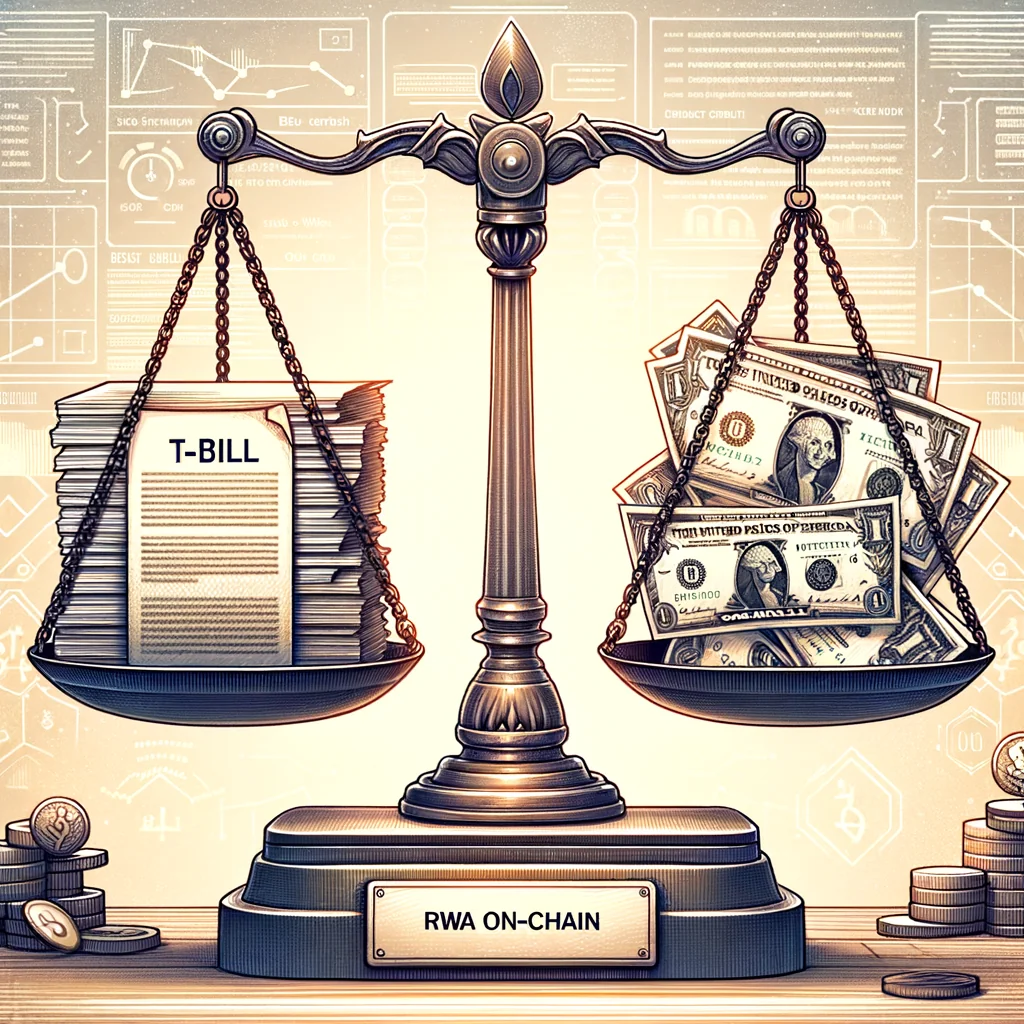
- Yield-bearing stables (T-bill tokens or on-chain money markets): Turn idle runway into low-volatility yield. Watch issuer and redemption terms.
- Wrapped BTC: Adds non-ETH beta with deep liquidity. Use well-audited wrappers with strong redemption paths.
- DAO’s native token: Needed for governance and incentives. Limit it as runway due to price correlation with DAO health.
- LP positions (AMM or CL liquidity): Useful if your token needs depth. Treat LP tokens as risk assets with impermanent loss and smart contract risk.
- RWA tokens (cash, treasuries, invoices): Adds yield and diversification. Review legal claims, KYC needs, and redemption speed.
Micro-example: A grants committee needs three months of payouts. It holds USDC, DAI, and a T-bill token at a 40/40/20 split in a small multisig with a spend limit. It reports balances weekly. This unit never sells ETH to make payroll.
Practical allocation blueprint
Use this step-by-step flow to shape an allocation that fits runway, risk and growth needs. Keep it simple on day one, then iterate with data.
- Define runway: Lock 12–18 months of expenses in stables and short-duration yield assets.
- Cap risk: Set max exposure per issuer, chain, protocol, and asset class before buying.
- Split stables: Hold at least three stable issuers and two collateral models.
- Set growth sleeve: Allocate a set share to ETH, LSTs, and BTC for upside.
- Support liquidity: If your token needs markets, assign a limited LP sleeve with clear KPIs.
- Automate controls: Use multisigs, timelocks, role modules, and spend limits from the start.
Example baseline: 45% stables, 20% T-bill tokens or money markets, 20% ETH, 10% LSTs, 5% BTC. Adjust with on-chain liquidity and revenue.
Risk management on-chain
List risks in plain terms, then attach monitors and caps. Tie each risk to a playbook so people know what to do in a crunch.
- Smart contract risk: Prefer audited, battle-tested protocols. Use pause plans and exit routes.
- Liquidity risk: Check depth and slippage at your trade sizes. Avoid assets with thin books.
- Peg risk: Watch stablecoin deviation and issuer events. Diversify and set auto-rebalance rules.
- Market risk: Size growth assets so a 50% drawdown does not kill runway.
- Custody and key risk: Use hardware keys, social recovery, and rotation policies. Log signers in public.
Tiny scenario: A stable loses its peg by 3% for 6 hours on multiple venues. A pre-set rule rotates 50% of that position into two other stables and a T-bill token. A post-mortem records slippage and fees.
Tools, custody, and controls
Set clear roles, approvals, and delays. Reduce hot-signer power and make spend predictable.
- Multisig wallets with threshold approvals
- Module-based permissions for spending, trading, and claiming rewards
- Timelocks for large moves with public alerts
- Per-stream spend limits for ops and grants teams
- Cold storage for long-term assets; hot wallets for small flows
Keep signer turnover smooth. Add a rotation cadence and a backup plan if two signers lose access the same week.
Reporting and transparency
Members need a single source of truth they can verify on-chain. Automate reports and keep commentary short and factual.
- Weekly dashboard: balances, exposures, runway, yield, and top risks
- Monthly memo: changes vs last month, reasons, and next moves
- Event alerts: peg breaks, large swaps, custody changes
Use signed messages from the treasury address to link reports. Archive CSV exports so analysts can check numbers.
Compliance and operations
On-chain assets may require KYC or license checks, based on jurisdictions and wrappers. Keep a registry of issuers, terms, and signoff notes.
- Issuer terms: redemption rights, freeze powers, and disclosures
- Access rules: KYC/AML, whitelists, and transfer limits
- Tax notes: staking income, coupon yield, and realized gains
Map these items before buying. If conditions change, record it in the monthly memo and adjust caps.
Asset menu at a glance
This table links asset types to main uses, core risks, and exit speed. Treat it as a quick reference during allocation calls.
| Asset Type | Main Use | Key Risks | Liquidity Horizon |
|---|---|---|---|
| Fiat-backed stables | Runway, payouts | Issuer, blacklist, bank risk | Minutes to same day |
| Crypto-backed stables | Runway with decentralization | Peg, collateral volatility | Minutes to hours |
| T-bill/RWA tokens | Low-volatility yield | Legal, redemption, issuer | Days to weeks |
| ETH | Growth, strategic reserve | Market drawdown | Minutes |
| LSTs (stETH etc.) | Yield on ETH | Depeg, protocol risk | Minutes to hours |
| Wrapped BTC | Diversified beta | Wrapper, custodian | Minutes |
| LP tokens | Market depth, fees | IL, contract risk | Minutes (market-dependent) |
| Native DAO token | Governance, incentives | Correlation, liquidity | Varies |
Revisit this mapping each quarter. As liquidity and risks change, caps should move too.
Monitoring checklist
Make monitoring boring, short, and frequent. A simple loop catches issues early with small fixes instead of big rescues later.
- Runway months and stable splits
- Exposure per issuer, chain, and protocol vs caps
- Peg and price bands with alerts
- Liquidity depth at planned trade sizes
- Yield sources, fees, and net APY
- Signer health and key rotations
Assign each item to a name and a schedule. Post the checklist in the forum so members know who owns what.
Common mistakes to avoid
Avoid these traps. They appear across cycles and sink budgets fast.
- All-in on one stable issuer
- Overweight native token as runway
- Chasing yield with long lockups
- No spend limits for working groups
- Silent changes to custody or signers
Set pre-commit rules that block these moves without a formal vote and a cooling-off window.
Putting it to work this month
Pick a small unit of the treasury and apply the plan. For instance, ring-fence six months of expenses in a new multisig with three stables and a T-bill token, set a 2-of-4 threshold, and add a 48-hour timelock for transfers over a set cap. Publish a one-page policy and a weekly dashboard link. This quick win builds trust while you scale the rest.